The integration of smart technologies into modern design is not merely a trend; it represents a significant shift in how we interact with our environments. As our lives become increasingly intertwined fence replacement company coquitlam with technology, the expectation for seamless, intuitive experiences has risen dramatically. This evolution is evident across various sectors, from residential homes to commercial spaces. Whether you are designing a new office layout or renovating your home, understanding how to leverage smart technologies can enhance user experience and drive satisfaction.
Understanding Smart Technologies
Smart technologies encompass a wide array of devices and systems that utilize connectivity and automation to improve functionality and efficiency. These include Internet of Things (IoT) devices, artificial intelligence (AI), and advanced sensors. In a practical sense, this could mean everything from smart thermostats that learn your heating preferences to security systems that you can monitor via your smartphone.
For instance, consider how smart lighting systems can adjust automatically based on the time of day or occupancy. These systems not only provide convenience but also contribute to energy efficiency by reducing unnecessary electricity usage. Similarly, in commercial settings, integrating smart technologies such as automated HVAC controls or occupancy sensors can lead to significant cost savings while enhancing comfort for employees and clients alike.
The Role of Design in User Experience
Design plays a crucial role in the effectiveness of smart technology applications. From the initial concept to the final execution, every element must consider user interaction to ensure optimal engagement and satisfaction. A well-designed interface can simplify complexity and make advanced features accessible.
For example, touchless interfaces in public restrooms not only promote hygiene but also enhance user interaction by minimizing physical contact with surfaces. Such designs feel intuitive; people instinctively understand how to engage with them without needing extensive instructions or training.
Furthermore, incorporating feedback mechanisms into designs allows users to see the impact of their interactions in real-time. In an office setting equipped with smart meeting rooms, features like room booking displays provide immediate visual feedback about availability, thereby reducing confusion and improving workflow.
Transforming Spaces With Intelligent Design
When considering how to incorporate smart technologies into modern designs, one must think holistically about the space being created or renovated. This approach involves looking at existing structures through the lens of technology integration while ensuring that aesthetic integrity remains intact.
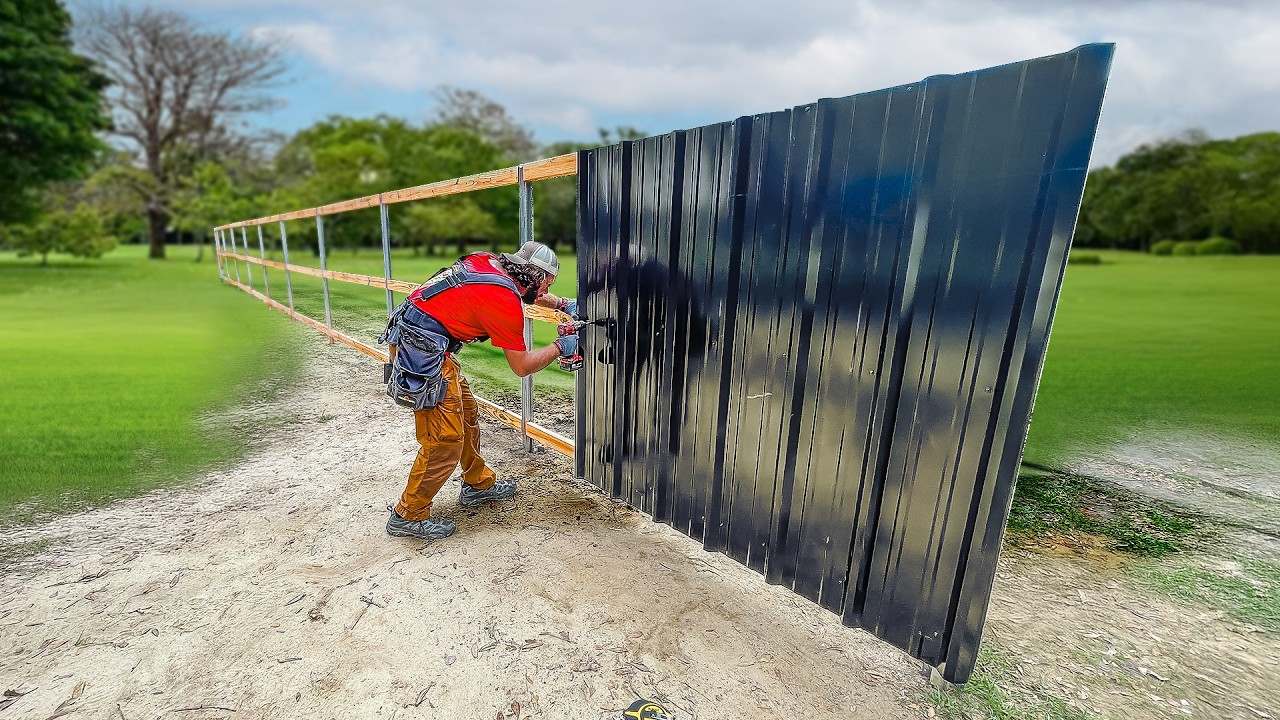
In residential projects, integrating home automation systems requires careful planning. For instance, if you are working with local fence builders in Coquitlam for an outdoor renovation project, consider how smart security features can complement newly designed fences. Smart cameras can be discreetly integrated into fencing solutions without compromising the visual appeal of your yard while enhancing safety.
Commercial spaces also benefit significantly from intelligent design strategies involving smart technologies. Open office layouts often face challenges local coquitlam fence builders related to noise and distractions; integrating sound-masking technology within acoustic panels can create a more comfortable working environment without sacrificing design aesthetics.
Challenges of Integration
While the benefits of incorporating smart technologies into design are compelling, there are inherent challenges that designers must navigate. One primary concern is interoperability among various devices and platforms; a lack of standardization can lead to frustration for users who expect all components to work seamlessly together.
Moreover, designers must balance technological advancements with privacy concerns. As more devices collect user data for personalization purposes, ensuring robust data protection becomes essential. Transparent communication regarding data usage policies fosters trust between users and service providers.
Another critical aspect is accessibility; ensuring that all users can effectively engage with smart technology should be paramount in any design process. This means considering varying levels of digital literacy among users as well as physical accessibility needs when implementing technologically advanced features.
Practical Examples From Various Sectors
Across different sectors—residential housing, commercial offices, retail environments—the incorporation of smart technologies manifests uniquely:

Residential: Homeowners increasingly opt for integrated home control systems that manage lighting, climate control, security cameras, and entertainment devices from a single app on their smartphones or tablets.
Commercial: Companies are adopting building management systems (BMS) that monitor energy consumption in real-time; this allows for adjustments based on occupancy patterns while providing valuable insights for future planning.
Retail: Stores employ automated inventory tracking using RFID technology paired with predictive analytics tools; this streamlines stock replenishment processes based on consumer behavior patterns.
Healthcare: Hospitals utilize wearable devices for patient monitoring which not only enhances care delivery but also improves operational efficiency by allowing staff access to real-time health metrics remotely.
Education: Smart classrooms equipped with interactive displays foster collaborative learning environments where students engage actively rather than passively absorbing information through lectures alone.
These examples underscore how varied applications manifest within different domains yet converge around enhancing user experiences through thoughtful integration of technology alongside traditional design principles.
Future Trends Shaping Smart Design Integration
Looking ahead at trends shaping this space reveals exciting possibilities:
- Increased Use Of AI: Artificial intelligence will become more prevalent in personalizing user experiences across sectors by analyzing behavioral patterns and recommending tailored solutions. Sustainability Focus: Designers will prioritize eco-friendly materials alongside intelligent systems aimed at reducing energy footprints while enhancing occupant comfort—an example being solar-powered outdoor lighting fixtures integrated effectively into landscape designs. Enhanced Connectivity Via 5G Networks: The rollout of 5G networks will facilitate faster communication between devices enabling even more sophisticated integrations without latency issues affecting performance. Rising Popularity Of Voice Assistants: Voice-controlled interfaces will proliferate further making it easy for users regardless of age or ability level to operate complex systems effortlessly. Smart Furniture Innovations: Multifunctional furniture equipped with charging stations or built-in speakers will integrate seamlessly into living spaces promoting both functionality and aesthetic appeal.
Understanding these trends empowers designers not only today but ensures they remain relevant tomorrow amid rapidly evolving landscapes influenced heavily by technological advancements.
Collaborating With Professionals For Successful Implementation
As local fence builders coquitlam organizations strive toward integrating smarter solutions within their spaces—a collaborative approach proves invaluable particularly when navigating complexities associated with implementation across various disciplines including engineering architecture interior design etcetera . Consulting experienced professionals who specialize specifically within respective fields ensures projects align well meeting both functional requirements aesthetically pleasing outcomes ultimately yielding enhanced overall user satisfaction rates!
Whether engaging trusted fence builders Coquitlam locals recommend for outdoor renovations—including security upgrades—or collaborating closely with tech specialists proficiently versed knowledge surrounding IoT integrations—leveraging expertise maximizes potential returns investment made through thoughtfully designed environments facilitating high-quality experiences fulfilling end-users desires expectations alike!
Incorporating intelligent technologies isn’t simply about adding gadgets—it’s fundamentally transforming relationships people share spaces inhabit daily enriching lives elevating standards modern living offering limitless opportunities make meaningful connections thrive!